


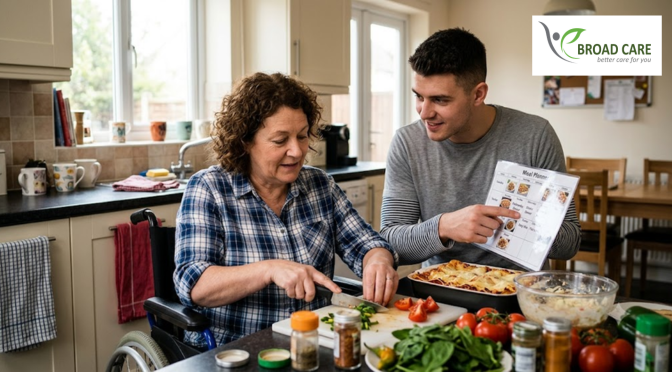
Living independently and participating confidently in everyday life requires more than access to support services. It also requires practical skills that help individuals manage daily responsibilities, build relationships, make informed decisions, and achieve personal goals.
For many people living special needs, developing these skills can be life-changing. This is where NDIS life skill development in Melbourne plays a crucial role. Designed to empower participants with practical abilities and greater confidence, these supports help individuals navigate modern life more effectively while fostering long-term independence.
But how exactly do life skill development services help NDIS participants thrive in today’s world? Find that out from the blog.
What Are Life Skill Development Services?
NDIS life skill development services in Melbourne help participants build the knowledge and abilities needed to manage daily activities and increase independence. These services are tailored to individual goals and can focus on a wide range of practical skills that support everyday living.
Examples may include:
- Communication and social skills
- Budgeting and money management
- Meal planning and cooking
- Time management
- Travel and transport skills
- Decision-making
- Problem-solving
- Personal care routines
- Household management
- Community participation
The objective is to equip participants with skills that enhance their confidence and ability to engage more independently in daily life.
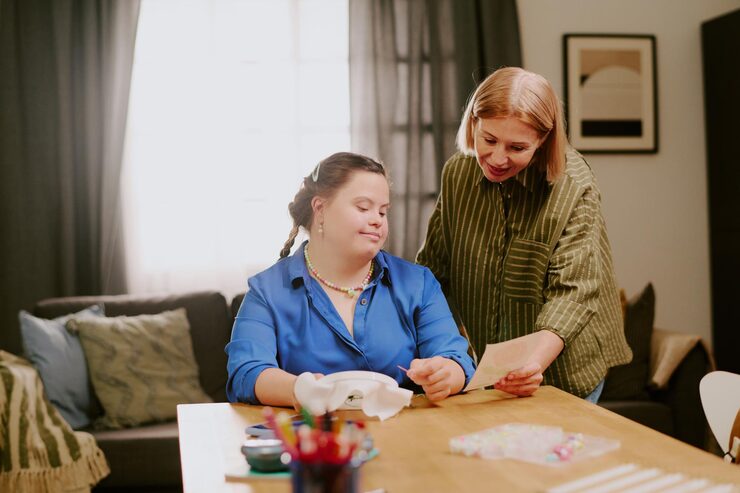
Why Are Life Skills So Important Today?
Modern life presents a variety of challenges and responsibilities. From managing appointments and finances to navigating technology and building social connections, individuals are expected to perform a wide range of tasks every day. Without the necessary life skills, these responsibilities can become overwhelming.
Life skill development helps participants gain practical strategies that improve their ability to manage everyday situations. It also supports greater self-confidence and encourages active participation in the community.
In a world that increasingly values independence and self-direction, these skills are more important than ever.
How Do Life Skill Development Services Promote Independence?
One of the primary goals of life skill development services in Melbourne is to increase independence.
Participants are encouraged to learn and practise skills that reduce reliance on others while improving their ability to make choices and manage daily activities.
For example, a participant who learns budgeting skills may become more confident managing personal expenses. Someone who develops travel skills may gain greater freedom to attend appointments, work, education, or social activities independently.
Over time, these small achievements can lead to significant improvements in overall independence and quality of life.
Can Life Skills Improve Confidence and Self-Esteem?
Absolutely.
Confidence often grows when people feel capable of managing their daily responsibilities successfully. Learning new skills creates opportunities for achievement and personal growth.
NDIS life skill development in Melbourne provides structured support that allows participants to practise new abilities in a safe and encouraging environment. As participants develop competence in different areas of life, they experience:
- Increased self-confidence
- Greater self-esteem
- Improved decision-making
- Enhanced problem-solving abilities
- A stronger sense of personal achievement
These positive outcomes can influence many aspects of life, including education, employment, relationships, and community participation.
How Do Life Skills Strengthen Social Connections?
Building and maintaining relationships is an important part of living a fulfilling life. However, some individuals may face challenges with communication, social interaction, or understanding social situations.
Life skill development services under NDIS include support for:
- Effective communication
- Active listening
- Relationship building
- Conflict resolution
- Social participation
These skills help participants feel more comfortable engaging with family members, friends, colleagues, and community groups.
Stronger social connections can also improve emotional wellbeing and reduce feelings of isolation.
Can Life Skill Development Support Employment Goals?
Many participants aspire to pursue education, training, volunteering, or employment opportunities.
Success in these areas depends on more than technical knowledge. Employers and educational institutions value communication, teamwork, time management, and problem-solving skills.
NDIS life skill development in Melbourne can help participants strengthen these essential workplace abilities by focusing on:
- Professional communication
- Workplace behaviour
- Organisation skills
- Goal setting
- Time management
- Adaptability
These skills can improve readiness for employment and increase confidence when pursuing career opportunities.
Looking to Build Skills That Last a Lifetime?
Take the next step towards personal growth with Broad Care. Explore our life skill development services in Melbourne and discover how the right skills can help you thrive with confidence in an ever-changing world.
FAQs On Life Skill Development Programs
How do life skill development services differ from daily personal care supports?
Personal care supports participants with tasks they may not currently be able to perform independently. Life skill development focuses on teaching and strengthening abilities to increase independence over time.
Can life skill development help participants transition into independent living?
Yes. These services focus on practical skills such as cooking, budgeting, household management, and decision-making that support successful independent living.
Are life skill development services suitable for young adults preparing for employment?
Absolutely. Many programs include workplace readiness skills such as communication, organisation, time management, and professional behaviour.
How is progress measured during life skill development programs?
Progress is usually assessed through goal tracking, skill demonstrations, participant feedback, and regular reviews to ensure supports align with desired outcomes.
Can participants choose which skills they want to develop?
Yes. Life skill development programs are generally tailored to individual goals and priorities, ensuring participants focus on skills that are most relevant to their personal aspirations.
