


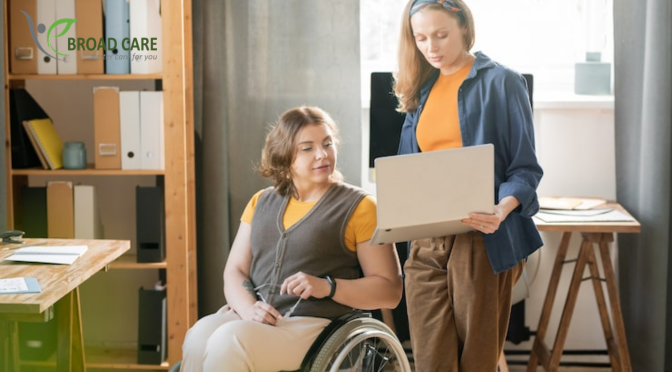
Everyday situations can bring challenges where communication, patience, and problem-solving skills become essential. For many NDIS participants, developing the ability to handle disagreements, express feelings clearly, and find positive solutions can make a significant difference in personal independence and community participation.
Understanding the Role of Life Skills Training
Life skills training is not just about learning practical daily tasks. It is also about building confidence, emotional awareness, and social abilities that help participants manage real-life interactions. With the right guidance, participants can learn how to approach conflicts calmly, understand different perspectives, and negotiate outcomes that support their wellbeing.
Personalised Support Through NDIS Life Skill Development
A trusted registered NDIS provider in Melbourne support network can help participants access personalised programs designed around their individual goals, abilities, and lifestyle needs. These programs focus on improving communication, emotional regulation, decision-making, and relationship-building skills. Rather than simply providing assistance, quality NDIS support encourages participants to develop confidence and take an active role in their own choices.
Developing Conflict Resolution Skills for Better Relationships
Conflict resolution is an important life skill that can benefit participants across many areas of life, including family relationships, friendships, workplaces, and community activities. Through structured activities and practical coaching, participants can learn techniques such as active listening, managing emotions, identifying solutions, and expressing their needs respectfully.
Improving Negotiation Skills for Greater Independence
Negotiation skills are equally valuable because they help individuals communicate their preferences and make informed decisions. Whether it involves planning daily routines, discussing personal boundaries, or working with support teams, strong negotiation abilities allow participants to feel heard and respected.
Accessing Professional Life Skills Development Assistance
With professional life skills development assistance in Melbourne, participants can access tailored support that focuses on improving independence and confidence. These services may include communication exercises, social skill activities, problem-solving tasks, and real-world learning opportunities that encourage participants to apply their skills in everyday situations.
Encouraging Community Participation Through Skill Development
Developing these abilities can also support greater community involvement. When participants feel confident communicating with others, they are more likely to engage in social activities, explore employment opportunities, and build meaningful connections. Life skills training creates a foundation for stronger relationships and improved quality of life.
Creating Individualised Learning Approaches for NDIS Participants
NDIS participants have different goals, experiences, and support requirements. This is why personalised skill development approaches are so important. A flexible program considers each person’s strengths while providing practical strategies to overcome challenges and achieve greater independence.
Building Confidence Through Ongoing Life Skill Support
Professional life skill development support plans in Melbourne focus on empowering participants through ongoing learning and encouragement. These programs are designed to help individuals build confidence in managing conversations, handling disagreements, and making choices that align with their personal goals.
Developing Resilience for Everyday Situations
The right support can transform how participants approach everyday challenges. Instead of feeling overwhelmed by difficult conversations or unfamiliar situations, individuals can develop the skills needed to respond with confidence and resilience.
Strengthening Family and Support Relationships
Life skill development also benefits families and support networks by creating more positive interactions and reducing communication barriers. When participants strengthen their ability to express themselves and understand others, relationships can become more balanced and supportive.
Choosing the Right NDIS Support for Personal Growth
Choosing experienced NDIS support providers ensures participants receive guidance that is practical, respectful, and aligned with their NDIS plan goals. Effective training focuses on real-life outcomes, helping individuals gain skills they can use beyond structured sessions.
Achieving Greater Independence Through Life Skill Development Services
Comprehensive life skill development services in Melbourne provide participants with opportunities to strengthen independence, improve communication, and develop essential skills for everyday success. These services support a more confident approach to handling challenges, building relationships, and participating within the community.
Empowering NDIS Participants for a More Confident Future
For NDIS participants looking to enhance their social confidence, emotional skills, and independence, life skill development can be a valuable step forward. With personalised support and consistent encouragement, participants can develop the tools needed to manage conflicts, negotiate effectively, and create a more empowered future.
The Final Words
If you are in pursuit of the best NDIS provider that can offer person-centred life skill development support, turn to Broad Care. Call us at 1300 955 310 to set up an appointment with us, or fill out the contact form on our website and submit it. We will reply in no time.
FAQs
Who can access NDIS Life Skills Development Assistance?
NDIS participants who have goals related to improving independence, social participation, communication, daily living skills, or personal development may be eligible for life skills development support. The assistance is tailored according to each participant’s individual needs and NDIS plan goals.
How can life skills development help NDIS participants become more independent?
Life skills development helps participants learn practical strategies for managing daily activities, making choices, building confidence, and handling everyday situations. With consistent support, participants can develop greater independence and feel more comfortable taking part in personal, social, and community activities.
What skills are included in NDIS Life Skills Development Assistance?
Life skills programs may include communication skills, conflict resolution, emotional regulation, decision-making, problem-solving, social interaction, time management, budgeting skills, self-care routines, and community participation skills. The focus depends on the participant’s personal goals and support requirements.
Can NDIS life skills training help with communication and relationship building?
Yes. Life skills development can help participants improve verbal and non-verbal communication, active listening, expressing personal needs, understanding others’ perspectives, and building healthier relationships with family members, friends, support workers, and the wider community.
How does NDIS life skills development support conflict resolution and negotiation skills?
NDIS life skills support teaches participants practical techniques to manage disagreements, express concerns respectfully, understand different viewpoints, and find positive solutions. These skills can help participants handle challenging conversations with greater confidence and emotional control.
Are NDIS Life Skills Development Services personalised for each participant?
Yes. Quality NDIS life skills services are personalised based on the participant’s abilities, preferences, lifestyle, and goals. Support providers work alongside participants to identify areas for improvement and create learning activities that match their individual development journey.
Can life skills development support improve community participation?
Absolutely. Life skills assistance encourages participants to develop confidence in social situations, access community activities, communicate effectively, and build meaningful connections. These skills can help participants participate more independently in community, education, employment, and recreational activities.
How do I choose the right NDIS Life Skills Development Assistance provider?
When choosing a provider, consider their experience, approach to personalised support, understanding of NDIS participant goals, communication style, and commitment to empowering independence. A suitable provider should focus on building skills rather than creating dependence.
How can NDIS Life Skills Development Assistance improve quality of life?
By developing essential everyday skills, participants can experience increased confidence, improved relationships, greater independence, and enhanced decision-making abilities. Life skills support helps individuals feel more capable, included, and empowered to achieve their personal goals.
